20 Irresistible Healthy Meal Prep Lunch Ideas for Work
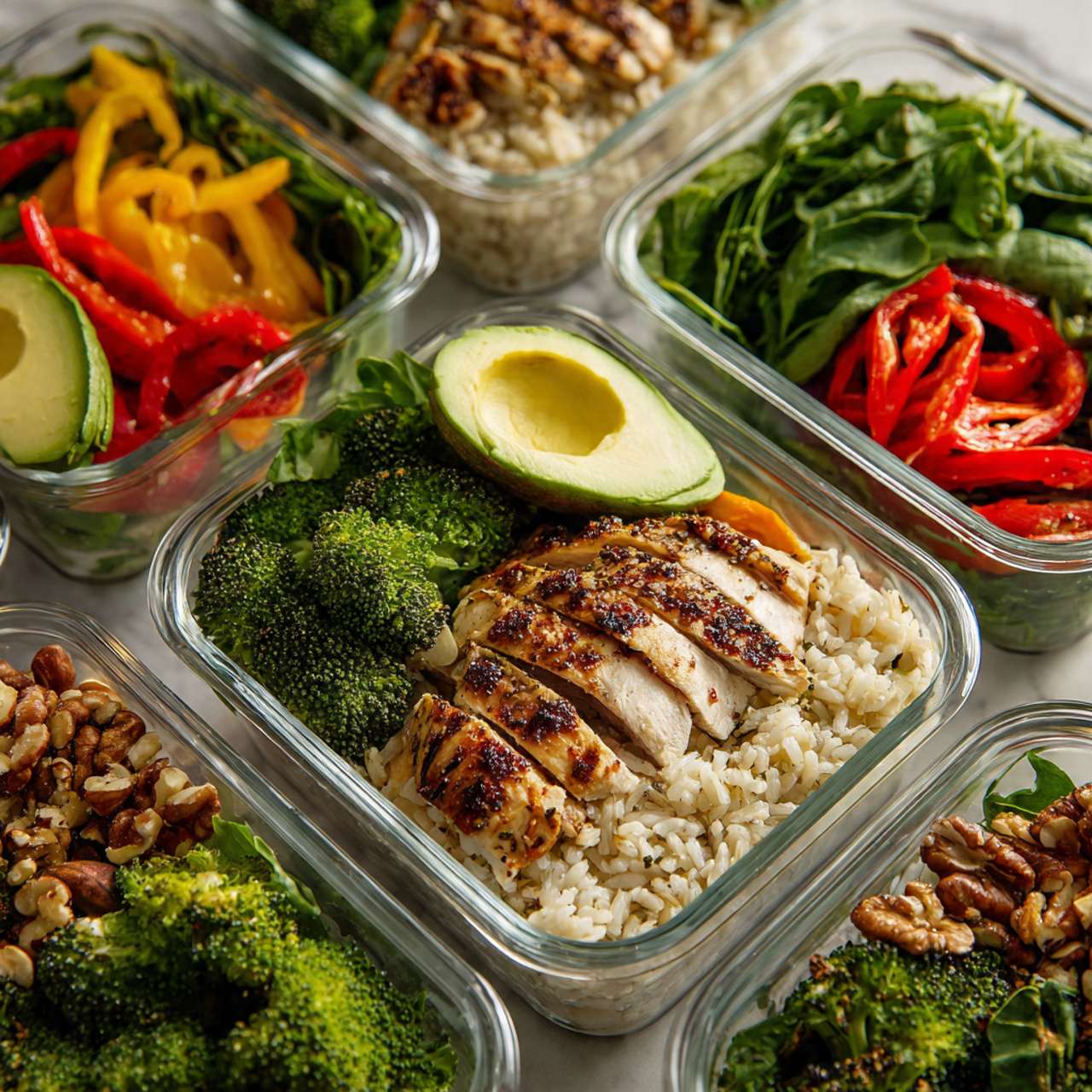
20 Irresistible Healthy Meal Prep Lunch Ideas for Work
Introduction
Have you ever found yourself staring blankly into the fridge at lunchtime, wondering what healthy option you can quickly grab to fuel your afternoon? For busy professionals, meal prepping healthy lunches can feel like a daunting challenge. It’s easy to fall into the trap of repetitive meals or resorting to expensive takeouts packed with hidden calories. But what if meal prepping could be both exciting and nutritious, ensuring you enjoy each bite at work while supporting your health goals? With 20 irresistible healthy meal prep lunch ideas for work, you’ll discover how to simplify your lunch routine while keeping things vibrant, balanced, and satisfying.
Ingredients List
Before diving into meal prep, it’s essential to stock your pantry and fridge with versatile, nutrient-rich ingredients. Here’s a list of common ingredients used across various meal prep lunches, along with some healthy substitutions:
– Proteins:
– Chicken breast (substitute: turkey breast or firm tofu for vegetarian)
– Canned chickpeas or black beans
– Salmon fillets (substitute: canned tuna in water)
– Eggs or tempeh for plant-based options
– Whole Grains:
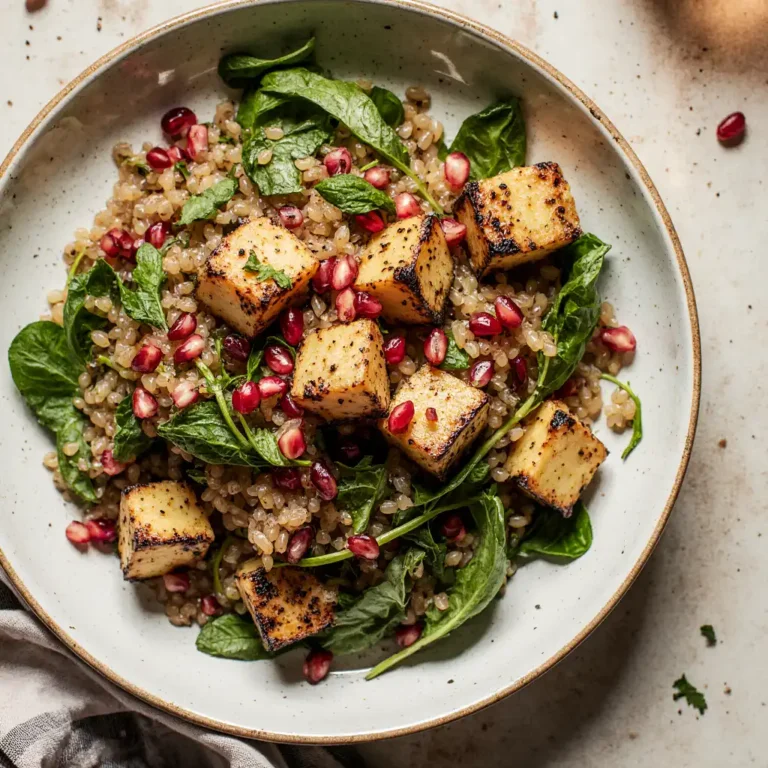
– Brown rice (substitute: quinoa or farro)
– Whole wheat pasta or couscous
– Sweet potatoes or butternut squash cubes
– Vegetables:
– Leafy greens like spinach and kale
– Bell peppers, cherry tomatoes, cucumbers
– Broccoli, carrots, and zucchini
– Healthy Fats:
– Avocados
– Olive oil or avocado oil
– Nuts like almonds or walnuts
– Seeds such as chia, pumpkin, or flaxseed
– Flavor Boosters:
– Fresh herbs (cilantro, parsley, basil)
– Garlic and onion powder
– Fresh lemon or lime juice
– Low-sodium soy sauce or tamari
Timing
Timing your meal prep efficiently can make all the difference between sticking with your healthy habits and falling off track. Typically, preparing these meals takes about:
– Prep time: 15-25 minutes – chopping veggies, marinating proteins, or cooking grains.
– Cook time: 20-40 minutes – baking, steaming, or sautéing ingredients.
– Total time: Approximately 45 minutes to 1 hour – ideal for a weekend or evening batch-cooking session.
Imagine the aroma of your favorite herbs sizzling in the pan as you prepare for the week ahead—simple steps that turn into delicious lunches you look forward to, saving you stress and time on busy workdays.
Step-by-Step Instructions
Step 1: Choose Your Proteins
Decide on your preferred protein variety for the week. Grill or bake chicken breast seasoned with garlic, paprika, and a pinch of salt. For a vegetarian twist, roast chickpeas with cumin and chili flakes for a crunchy texture. Pro tip: cook extra for salads or wraps.
Step 2: Cook Your Grains
Simmer brown rice or quinoa with low sodium vegetable broth instead of water for extra flavor. Use a rice cooker or Instant Pot to save time and get perfectly fluffy grains every time.
Step 3: Roast or Steam Vegetables
Prepare a tray of mixed vegetables like broccoli, bell peppers, and carrots tossed in olive oil and sprinkled with herbs. Roast in a 400°F oven for 20-25 minutes, or steam briefly to retain crunch and nutrients.
Step 4: Assemble Your Containers
Start layering: grains on the bottom, protein next, followed by veggies. Top with avocado slices or a sprinkle of nuts for satisfying textures. Keep dressings or sauces separate to avoid sogginess.
Step 5: Store Properly
Use airtight containers and refrigerate for up to 4 days. If your recipes feature ingredients that brown quickly (like avocado), add those fresh on the day you eat. Chef’s tip: invest in BPA-free, microwave-safe containers that keep food fresh and reheat evenly.
Nutritional Information
Here’s a general nutrition snapshot you can expect from these balanced meal prep lunches:
– Calories: ~400-550 per serving, varying by ingredients
– Protein: 25-35 grams (supports muscle repair and satiety)
– Carbohydrates: 40-55 grams (preferably from whole grains and veggies)
– Healthy Fats: 10-15 grams (helps nutrient absorption and brain health)
– Fiber: 7-12 grams (promotes digestion and fullness)
– Vitamins & Minerals: High in vitamin A, C, potassium, and iron, due to fresh veggies and lean proteins
Healthier Alternatives
Want to enhance the nutrition without compromising flavor? Consider these swaps:
– Swap white rice with quinoa or cauliflower rice for more fiber and protein.
– Replace creamy dressings with lemon-tahini or avocado-based dressings.
– Use low-sodium broth or sauces to reduce sodium intake.
– Opt for organic vegetables when possible to minimize pesticide exposure.
– Incorporate fermented foods like sauerkraut or kimchi for gut-friendly probiotics.
Serving Suggestions
Make your lunches exciting by pairing them thoughtfully:
– Add fresh seasonal fruit (like crisp apples or sweet berries) as a palate cleanser.
– Serve with a side of whole grain crackers or a small handful of nuts for crunch.
– Pack a small reusable container of Greek yogurt with honey and cinnamon for an energizing afternoon snack.
– Integrate leafy greens as a base for colorful salads topped with your prepped ingredients.
Common Mistakes to Avoid
Even the best meal preppers stumble occasionally. Here are pitfalls to watch out for:
– Overcooking proteins or grains: Leads to dry, chewy textures — aim for tenderness and don’t rush.
– Adding dressing too early: Causes soggy meals; add just before eating.
– Selecting fewer veggies: Limits nutrient diversity; aim for a colorful plate.
– Using non-airtight containers: Results in faster spoilage and loss of freshness.
– Skipping seasoning: Balanced seasoning enhances flavors and keeps meals interesting.
Storing Tips
Proper storage maintains taste, texture, and safety:
– Use airtight containers to prevent moisture loss and contamination.
– Label containers with date to keep track of freshness (typically 3-4 days refrigerated).
– Freeze meal portions like soups, stews, or casseroles to extend shelf life up to 3 months.
– Reheat only the portion you plan to consume to avoid repetitive temperature changes.
– Store dressings or crunchy toppings separately in small containers to preserve texture.
Conclusion
Embracing healthy meal prep lunches for work doesn’t have to be overwhelming. With a variety of ingredients, smart timing, and simple techniques, you can create nutritious, delicious meals that keep you energized throughout the day. Ready to elevate your lunch game? Try these ideas and share your favorite recipes or tips in the comments below!
FAQs
Q1: How do I keep my meal prep lunches from getting boring?
Rotate your proteins and veggies weekly, experiment with different herbs and spices, and try diverse cooking methods like roasting, grilling, or steaming to keep flavors fresh and exciting.
Q2: Can I meal prep if I have a limited kitchen space?
Absolutely! Use multipurpose appliances such as Instant Pots or air fryers to speed up cooking. Prep ingredients in batches and store in containers to maximize space efficiency.
Q3: How long can I store prepped meals safely in the fridge?
Most prepped meals stay fresh for up to 4 days when stored properly. Ingredients like avocado or leafy greens may require adding fresh just before eating.
Q4: Are these meal prep ideas suitable for weight loss?
Yes! These meals prioritize lean proteins, whole grains, healthy fats, and plenty of vegetables which support weight loss by promoting fullness and balanced nutrition.
Q5: What are some good budget-friendly options for meal prep?
Legumes, frozen vegetables, and whole grains bought in bulk are cost-effective staples. Simple seasoning can transform these into flavorful meals without breaking the bank.
—
For more inspiration, check out our Healthy Dinner Meal Prep Recipes and Ultimate Guide to Kitchen Tools for Meal Prep. Don’t forget to subscribe to our newsletter for weekly fresh ideas and tips!